- CBT techniques
- Existential perspective
- Addiction recovery focus
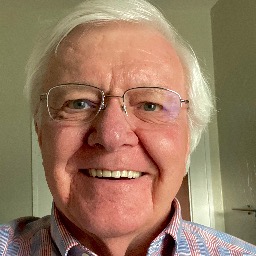
About Douglas
Douglas Strange is an LPC (Licensed Professional Counselor) with 12 years of experience in counseling work in Oklahoma. He lists stress, anxiety, trauma and abuse, grief, self-esteem, depression, addictions, relationships, anger, coping with life changes, and coaching among the concerns he addresses. He works in English and does not take international clients.
Douglas draws on a wide set of life experiences when he meets with people. He has military service and a long career in sales and management, and he speaks from decades of personal recovery from addiction. That background shapes how he talks about setbacks and change in straightforward terms.
In sessions he focuses on practical psychological ideas and everyday steps. He uses Cognitive Behavioral Therapy to notice thinking patterns and change behaviors. He also uses existential ideas to look at meaning, responsibility, and the choices someone can make now.
Douglas describes a counseling style grounded in grace, mercy, respect, and non-judgment. He aims to help people notice what gets in the way, try different responses, and build steady routines that support better coping. He also brings coaching-style attention to goals and next steps.
Outside of counseling he is a husband and father with a large extended family. His personal history with recovery and long work experience inform how he listens and suggests practical first steps for someone facing loss, addiction, or life change.
How his approaches are used in online sessions
Douglas uses Cognitive Behavioral Therapy to help people identify unhelpful thoughts and test different behaviors, which can reduce symptoms like anxiety or depression. He also uses an existential approach that looks at meaning, personal responsibility, and how choices shape daily life; this can help when someone is rethinking priorities after a loss or life change.Finding the right approach is part of the work. Douglas will discuss what feels most useful and will adapt techniques to fit a client's goals and preferences. He frames the process as collaborative and goal-focused, so clients and the therapist decide together how to proceed.
Session formats are not specified in the biography, so confirm current options before booking. Online sessions can make it easier to fit counseling into a busy week, allow shorter check-ins when needed, and remove travel time. Those practical benefits can help someone balance appointments with parenting, work, or other daily demands.
Areas of expertise
Primary focus
Also works with
Additional focus areas
Therapeutic approaches
Experience
12+ years
Credentials
Oklahoma
Languages
English
Frequently asked questions
What kinds of loss does he help with?
He lists grief as one of the concerns he works with, including losses such as death, relationship endings, or other major life changes.
What is his counseling style like?
He describes a style built on grace, mercy, respect, and non-judgment and combines practical steps with reflective conversation.
How long has he been practicing?
He has 12 years of counseling experience and additional life experience from military service and a long career in sales and management.
What are his credentials and where is he based?
He is an LPC (Licensed Professional Counselor) practicing in Oklahoma.
Does he work in languages other than English?
Sessions are offered in English only.
Can people outside the United States work with him?
He does not accept international clients at this time.
How are sessions arranged and what does it cost?
Cost varies with location and sessions use a subscription that can be canceled at any time.
How do I begin working with him?
Select the See online therapy options button, complete a short matching questionnaire, and schedule a first session.
Online talk therapy is not emergency care, and no counselor can promise how grief will feel or when it will ease. If you are thinking about suicide or feel unsafe, call or text 988, or call 911. Crisis information