- CBT methods
- DBT skills
- Client-centered
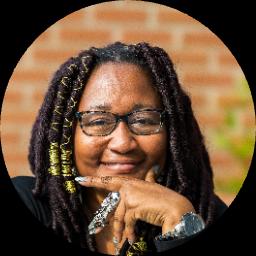
About Folayan
Folayan Williams is a Licensed Professional Counselor (LPC) practicing in Georgia with 13 years of experience helping people manage stress, anxiety, relationship struggles, family concerns, self-esteem, motivation, and grief. She frames the work around the client's story and strengths, and she emphasizes small, practical steps toward change.
She starts sessions by listening to what matters most to the client. Folayan uses plain conversation to identify patterns that keep old problems active. Then she and the client pick a few achievable changes to try between meetings. This approach aims to make things feel more manageable right away.
Her work draws on Client-Centered Therapy to focus on the client's perspective. She also uses Cognitive Behavioral Therapy (CBT) to help recognize and shift unhelpful thoughts. Dialectical Behavior Therapy (DBT) skills are used when people need tools to manage strong emotions and impulses.
Folayan often supports people facing life transitions, caregiving stress, relationship breakups, or the lasting effects of trauma and addiction. She also addresses issues like guilt, isolation, anger, and workplace stress. The focus is practical - clearer communication, steadier emotions, and better day-to-day coping.
Sessions are meant to be collaborative. Folayan treats the client as an expert on their own life and offers techniques and feedback to try between sessions. She encourages checking in about what works and adjusting the plan as needed.
How her approaches translate to online sessions
Client-Centered Therapy focuses on listening and reflecting the client's experience back, which helps build a plan based on the client's priorities and strengths. Cognitive Behavioral Therapy (CBT) teaches straightforward techniques to identify unhelpful thoughts and try small behavioral experiments to test new ways of thinking. Dialectical Behavior Therapy (DBT) offers practical skills for tolerating distress and regulating intense emotions, useful when reactions feel overwhelming.Deciding on an approach is a collaborative process. Folayan will work with each person to select methods that match their goals, needs, and preferences. She reviews what’s helping and adjusts the focus over time, so the plan evolves with the client's progress.
Session formats are not specified in the biography, so confirm current session options before booking. Many people find online sessions make it easier to fit therapy into a busy day, allow for shorter check-ins when needed, and remove travel time. Online work can also make it simpler to practice real-world skills between sessions and to apply techniques directly to everyday situations.
Areas of expertise
Primary focus
Also works with
Additional focus areas
Therapeutic approaches
Experience
13+ years
Credentials
Georgia
Languages
English
Frequently asked questions
What kinds of concerns does she address?
She works with stress, anxiety, depression, grief, relationship and family concerns, addiction-related issues, and related problems such as guilt, isolation, and caregiver stress.
What style of therapy does she use?
She uses Client-Centered Therapy alongside Cognitive Behavioral Therapy (CBT) and Dialectical Behavior Therapy (DBT) skills to help people manage thoughts, emotions, and behavior.
How much experience does she have?
Folayan has 13 years of professional experience working with people on a range of emotional and behavioral concerns.
Where is she licensed and practicing?
She is a Licensed Professional Counselor (LPC) licensed in Georgia and practices with that credential.
Which languages are supported in sessions?
Sessions are offered in English.
Can international clients work with her?
She does not accept international clients at this time.
How are sessions paid for and what does it cost?
Cost varies with location; sessions use a subscription that can be canceled at any time.
How do I begin a first session?
Select the See online therapy options button, complete a short matching questionnaire, and schedule a first session.
Online talk therapy is not emergency care, and no counselor can promise how grief will feel or when it will ease. If you are thinking about suicide or feel unsafe, call or text 988, or call 911. Crisis information