- Client-centered methods
- Psychodynamic exploration
- Solution-focused steps
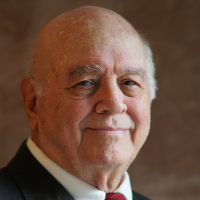
About Herschel
Dr. Herschel Pollard is an AR Psychologist (AR Psychologist 08-07P) with 58 years of clinical experience. He works with people facing stress, anxiety, depression, grief, relationship concerns, addictions, trauma, and other life changes. He also addresses issues such as parenting strain, anger, self-esteem, ADHD, and compassion fatigue.
Pollard meets each person as an individual. He listens to what matters now and adjusts the work as needs shift. Sessions focus on practical conversation, understanding patterns, and identifying steps a person can try between meetings.
He draws on client-centered methods to follow the person's concerns and priorities. He also uses psychodynamic ideas to look at long-standing patterns that affect how someone copes. Solution-focused techniques are used to find concrete steps and short-term goals that can ease distress.
Over many decades he has worked with a wide range of situations, including bereavement, midlife transitions, cancer-related losses, and trauma after disasters or military service. He aims to clarify what is most pressing and to build manageable ways forward.
People who choose him should expect straightforward conversation and a flexible plan that shifts as their goals change. Sessions are practical and oriented toward helping people handle what they are facing now while noticing longer-term patterns that matter.
How his approaches translate to online work
Client-Centered Therapy focuses on listening, reflecting what matters to the person, and letting goals emerge from their concerns. This approach helps when someone needs acceptance and clarity about what they want to address. Psychodynamic Therapy looks at patterns from a person's past that influence current behavior and relationships. It can help people understand recurring responses that affect grief, anxiety, or relationship strain. Solution-Focused Therapy targets specific, short-term goals and practical steps that can reduce distress quickly and build momentum.Finding the right mix of approaches is part of the work itself. He will collaborate with the person to decide which methods fit their needs and goals, and adjust the plan as things change. That collaboration helps keep sessions relevant and focused on concrete progress.
The biography does not list specific session formats, so confirm available options before booking. Online work can make it easier to fit sessions into a busy week, allow for shorter check-ins when time is tight, and reduce travel time. Many people find that having sessions by remote connection helps them maintain continuity of care while juggling other responsibilities.
Areas of expertise
Primary focus
Also works with
Additional focus areas
Therapeutic approaches
Experience
58+ years
Credentials
Arkansas
Languages
English
Frequently asked questions
What kinds of loss does he support?
He works with grief from death, relationship loss, health changes, and life transitions among other losses.
What is his therapeutic style like?
He uses a mix of client-centered listening, psychodynamic exploration, and solution-focused steps to match the person's needs.
How long has he been practicing?
He has 58 years of clinical experience working with a broad range of concerns.
What are his credentials and where is he based?
He is listed as AR Psychologist 08-07P and practices in Arkansas.
Does he work in languages other than English?
Sessions are offered in English.
Which session formats are offered?
The original biography does not list specific session formats; confirm current session options before booking.
How much do sessions cost?
Cost varies with location and sessions use a subscription that can be canceled at any time.
How do I begin a first session?
Select the See online therapy options button, complete the short matching questionnaire, and then schedule a first session.
Online talk therapy is not emergency care, and no counselor can promise how grief will feel or when it will ease. If you are thinking about suicide or feel unsafe, call or text 988, or call 911. Crisis information