- Grief support
- CBT and ACT methods
- Motivational interviewing
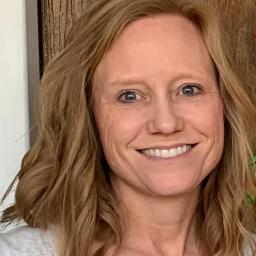
About Jennifer
Jennifer Dalton is a Licensed Clinical Mental Health Counselor (LCMHC) in North Carolina with 12 years of experience. She works with people facing stress, anxiety, depression, relationship and parenting concerns, grief, and life changes. She also addresses issues such as ADHD, intimacy-related worries, anger, and self-esteem.
Jennifer trained initially in education and began practicing as a licensed counselor in 2013. That background shaped how she structures sessions - clear goals, straightforward strategies, and attention to everyday routines. She explains ideas simply and checks in about what is and is not working between appointments.
Her approach blends cognitive behavioral techniques with client-centered methods and elements of acceptance and commitment therapy and mindfulness. In practice this looks like identifying unhelpful thoughts, testing small behavior changes, noticing values that matter, and building simple daily habits that reduce distress.
Jennifer also uses motivational interviewing and solution-focused strategies when helpful. That can mean short-term planning, setting manageable steps, or using targeted conversations to increase motivation for change. She often focuses on communication patterns and practical problem solving that affect relationships and family life.
People who prefer clear, practical sessions that still attend to feelings often find her style useful. She supports international clients and works in English. For anyone considering a first visit she asks people to think about a few goals to bring to the initial appointment.
How her approaches translate to online work
Jennifer commonly uses cognitive behavioral therapy and acceptance and commitment therapy in sessions. CBT focuses on noticing and testing thoughts and changing small behaviors that keep problems going, which can help with anxiety, depression, panic, and relationship patterns. ACT emphasizes values and practical action - noticing what matters and taking steps toward it even when difficult feelings are present. Finding the right approach is part of the work. She will talk with clients about goals and preferences and adjust methods together. That collaborative process helps decide whether to focus more on skill-building, values-based action, or brief solution-focused steps. The biography does not list specific online session formats, so confirm the current options before booking. Many people choose virtual sessions to fit therapy around work, family, or travel; others prefer a shorter check-in when time is limited. Online meetings can make it easier to keep regular appointments and to practice skills in everyday life, while phone options can be useful when bandwidth is low or a shorter conversation is needed.Areas of expertise
Primary focus
Also works with
Additional focus areas
Therapeutic approaches
Experience
12+ years
Credentials
North Carolina
Languages
English
Frequently asked questions
What kinds of concerns does she address?
She works with stress, anxiety, depression, relationship and parenting difficulties, grief, and related issues such as self-esteem, anger, and ADHD.
What is her therapy style like?
Her style mixes cognitive behavioral techniques with client-centered care and elements of acceptance and commitment and mindfulness approaches.
How many years has she practiced?
She has 12 years of experience and has been a licensed counselor since 2013.
Where is she licensed and based?
She is an LCMHC licensed in North Carolina and practices according to that credential.
Can I work with her if I live outside the United States?
She accepts international clients; sessions are offered in English.
What session formats are available?
The biography does not list specific session formats; please confirm current session options before booking.
How are sessions paid for?
Cost varies with location and sessions use a subscription that can be canceled at any time.
How do I begin a first session?
Click the See online therapy options button, complete a short matching questionnaire, and schedule the initial appointment.
Online talk therapy is not emergency care, and no counselor can promise how grief will feel or when it will ease. If you are thinking about suicide or feel unsafe, call or text 988, or call 911. Crisis information