- CBT techniques
- DBT skills
- Mindfulness methods
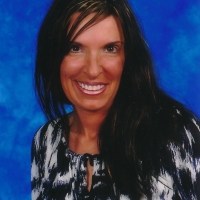
About Julie
Dr. Julie McCune is an Ohio LPCC with 25 years of clinical experience who works with people facing stress, anxiety, depression, grief, relationship concerns, and a wide range of life changes. She lists grief and loss among her areas of focus and supports people dealing with trauma, parenting challenges, addiction, and career stress.
She holds a master’s degree in Counseling and a Ph.D. in Clinical Psychology, and she has a history of practice in both personal and community mental health settings. Dr. McCune uses straightforward strategies to help people build coping skills and manage intense emotions.
Her approach draws on Cognitive Behavioral Therapy and Dialectical Behavior Therapy to address unhelpful thinking and to teach practical emotion regulation skills. She also integrates Acceptance and Commitment Therapy and mindfulness practices when those fit a person’s concerns and preferences.
People who work with her can expect focused sessions that aim to identify stressors, develop clear coping tools, and practice new ways of responding to painful feelings. She has experience supporting those dealing with grief, relationship breakups, caregiving strain, and complicated family dynamics.
Dr. McCune notes experience with issues that include abandonment and attachment concerns, blended family challenges, body image, and coping with illness such as cancer. Sessions are offered in English and international clients are accepted. Before booking, confirm current session options and scheduling details.
How her approaches translate to online sessions
Acceptance and Commitment Therapy (ACT) focuses on clarifying values and taking meaningful action while learning to accept difficult thoughts and feelings; it can help with grief and major life transitions. Cognitive Behavioral Therapy (CBT) looks at patterns of thinking and behavior and teaches practical strategies to reduce symptoms like anxiety and depression. Dialectical Behavior Therapy (DBT) emphasizes skills for emotion regulation, distress tolerance, and interpersonal effectiveness, which can be useful for intense grief responses and relationship stress.Choosing the right approach is a collaborative process. The therapist will discuss options during early sessions and together with the client will try methods that fit the person’s goals and daily life. Adjustments can be made as therapy progresses so the work stays relevant to current concerns.
Confirming current session options before booking is recommended, as formats are not specified in the biography. Online work can make it easier to fit sessions into a busy week, allow shorter check-ins when needed, and avoid travel time. It also makes it possible to continue care after a move or when schedules change. Talk with the therapist about which methods and session rhythms would be most practical for everyday life.
Areas of expertise
Primary focus
Also works with
Additional focus areas
Therapeutic approaches
Experience
25+ years
Credentials
Ohio
Languages
English
Frequently asked questions
What kinds of loss does she address?
She lists grief and loss among her focus areas and works with people after bereavement, relationship separations, and other major life changes.
What is her general therapeutic style?
She uses practical, skills-based methods like Cognitive Behavioral Therapy and Dialectical Behavior Therapy to help manage emotions and develop coping strategies.
How much clinical experience does she have?
She brings 25 years of experience in independent practice and community mental health settings.
What are her credentials and where is she based?
She is an Ohio LPCC and practices from Ohio.
Can sessions be conducted in other languages?
Sessions are offered in English.
Does she work with international clients?
She accepts international clients; confirm any regional details when arranging sessions.
How are fees handled?
Cost varies by location and sessions use a subscription that can be canceled at any time.
What should I do to begin?
Select the See online therapy options button, complete the short matching questionnaire, and schedule a first session.
Online talk therapy is not emergency care, and no counselor can promise how grief will feel or when it will ease. If you are thinking about suicide or feel unsafe, call or text 988, or call 911. Crisis information