- Client-Centered Therapy
- CBT techniques
- DBT informed skills
About Margaret
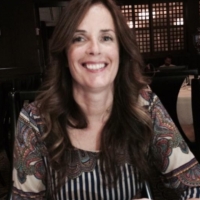
Margaret Lorenz is a Licensed Clinical Social Worker (LCSW) based in New York with 26 years of experience. She lists stress, anxiety, relationship concerns, parenting challenges, grief, and mood issues among the problems she addresses in sessions.
Margaret uses straightforward talk and practical tools during appointments. She focuses on helping people identify coping skills, manage difficult feelings, and make small changes that matter day to day. Sessions move at the client's pace and the person sets how quickly to proceed.
Her work draws on client-centered ideas, cognitive behavioral techniques, and dialectical behavior approaches. That means conversations center on the client's experience, while also looking at thoughts and habits that maintain distress and learning new skills to respond differently.
Margaret has worked with adults across many life stages and with a range of concerns including parenting questions, relationship and intimacy issues, workplace stress, and midlife transitions. She also lists attention-related difficulties, eating concerns, and compassion fatigue among the areas she addresses.
People can expect a practical focus in sessions. Discussions often include clear strategies to try between meetings and check-ins on how those ideas are going. Margaret aims to collaborate on a plan that reflects each client's needs and goals.
How her therapeutic approaches translate to online work
Client-Centered Therapy focuses on listening to the person's experience and shaping sessions around their priorities. It helps people feel heard and decide what to address first in therapy.Cognitive Behavioral Therapy (CBT) looks at how thoughts and behaviors affect feelings and teaches practical strategies to change unhelpful patterns. It is often used for anxiety, depression, and stress-related problems.
Dialectical Behavior Therapy (DBT) offers skills for managing strong emotions, improving distress tolerance, and handling difficult relationships. It can be useful when intense feelings or quick mood swings make daily life hard.
Finding the right mix of approaches is part of the early work. Margaret will collaborate with each person to choose methods that match their goals and preferences, adjusting the focus as needed over time.
The original biography does not specify which session formats are offered. Confirm current session options before booking so you know how appointments are held. Online work can make it easier to fit sessions into a busy week, allow shorter check-ins when needed, and reduce travel time for appointments.
Areas of expertise
Primary focus
Also works with
Additional focus areas
Therapeutic approaches
Experience
26+ years
Credentials
New York
Languages
English
Frequently asked questions
What concerns does she address?
She lists stress, anxiety, relationship and parenting concerns, grief, depression, and related life changes among the issues she works with.
What is her therapeutic style?
She uses a client-centered approach with practical tools from cognitive behavioral therapy and dialectical behavior therapy to address thoughts, habits, and coping skills.
How much experience does she have?
Margaret has 26 years of clinical experience in social work practice.
What are her credentials and location?
She is an LCSW licensed in New York and practices from that location.
Which languages are supported?
Sessions are offered in English and Margaret accepts international clients.
What session formats are available?
The original biography does not list specific session formats; confirm current session options before booking.
How does payment work?
Cost varies with location and sessions use a subscription model that can be canceled at any time.
How do I begin working with her?
Select the See online therapy options button, complete the short matching questionnaire, and schedule a first session.
Online talk therapy is not emergency care, and no counselor can promise how grief will feel or when it will ease. If you are thinking about suicide or feel unsafe, call or text 988, or call 911. Crisis information