- Grief support
- Anxiety and depression
- Cultural awareness
About Ramata
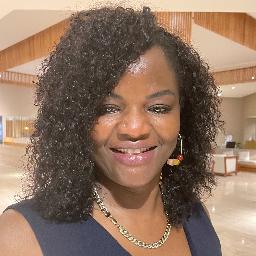
Ramata Adebawo is a Licensed Clinical Social Worker (LCSW) in Oregon with seven years of clinical experience. She works with people facing grief, anxiety, depression, trauma and a range of life stresses. Sessions are offered in English and Lingala.
Ramata's background includes moving to the United States and living within multiple cultures. That life experience shaped how she understands cultural difference and common ground. She describes working alongside people who feel unheard and wants to collaborate as a partner and advocate.
Her approach centers on the person in front of her. She uses client-centered listening and practical tools from cognitive behavioral therapy and dialectical behavior therapy. She also draws on attachment-based ideas to look at how relationships affect feelings and patterns.
In a typical session she helps people name what feels hard, try small changes, and practice skills between meetings. She supports coping with life transitions, parenting stresses, caregiving strain, and issues linked to prejudice or immigration. She also addresses relationship concerns, intimacy-related issues, and recovery from abuse.
Ramata combines talk with concrete strategies like coping skills, emotion regulation techniques, and steps to rebuild daily routines. She values collaborating on a clear plan and adjusting it when something does not fit. Her style is client-centered and practical, with attention to cultural context and everyday challenges.
If a grieving loss or another life change has felt overwhelming, Ramata offers steady, structured sessions that aim to make difficult moments easier to manage. Prospective clients should confirm current session options before booking.
Therapeutic approaches and how online work can fit
If Attachment-Based Therapy is used, the focus is on how relationships shape emotions and behavior. That approach can help people who notice repeated patterns in how they connect with others and want to try different ways of relating.Client-Centered Therapy emphasizes listening and responding to the person's priorities. It supports people who want to be heard, set their own goals, and move at a pace that feels right to them.
Cognitive Behavioral Therapy (CBT) offers practical tools to change thinking and behavior patterns that keep distress going. It is often used for anxiety, depression, and coping with loss by working on day-to-day skills and experiments between sessions.
Finding the right approach is part of the work. The therapist will collaborate with the client to decide which methods fit best based on goals, preferences, and how problems show up in daily life. That choice can change as needs change.
Confirm the session formats before booking so you know what is offered. Many people find online sessions help fit therapy into a busy week, allow shorter check-ins when needed, or avoid travel time. Online work can make it easier to keep a routine of sessions while balancing family, work, and caregiving responsibilities.
Areas of expertise
Primary focus
Also works with
Additional focus areas
Therapeutic approaches
Experience
7+ years
Credentials
Oregon
Languages
English, Lingala
Frequently asked questions
What kinds of loss does she support?
She works with people coping with death and other losses such as relationships, health, or changes in life roles.
What is her general therapy style?
Her style is client-centered and practical, combining listening with concrete coping skills and collaborative planning.
How much clinical experience does she have?
She has seven years of experience as a Licensed Clinical Social Worker in Oregon.
What credential and location are listed?
She is an LCSW licensed in Oregon.
Which languages are supported in sessions?
Sessions are offered in English and Lingala.
Can people outside the United States work with her?
She does not accept international clients at this time.
How are sessions paid for?
Costs vary by location and sessions use a subscription that can be canceled at any time.
What should I do to begin?
Select the See online therapy options button, complete the short matching questionnaire, and schedule a first session.
Online talk therapy is not emergency care, and no counselor can promise how grief will feel or when it will ease. If you are thinking about suicide or feel unsafe, call or text 988, or call 911. Crisis information