- CBT methods
- Trauma-focused work
- Neuropsychology background
About Rebecca
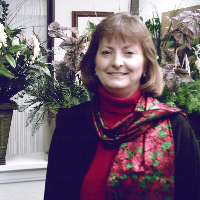
Dr. Rebecca Thompson is a California psychologist with 25 years of experience. She lists stress, anxiety, trauma and abuse, coping with life changes, ADHD, relationship concerns, grief, sleep problems, anger, self-esteem, career issues, and depression among her core concerns.
She trained and worked in neuropsychology, and that background shapes how she looks at problems. She explains connections between thinking, feeling, and behavior in plain terms. In sessions she listens, makes practical suggestions, and helps people consider alternative ways of coping.
Dr. Thompson describes her role as guiding rather than doing the work for someone. She helps people set realistic plans and then supports steady steps toward daily improvements. Her approach is direct but gentle, and she uses her clinical knowledge to make focused recommendations.
People who meet with her often notice that she is easy to talk to and careful when offering ideas. Her long clinical experience includes work with traumatic brain injury, post-traumatic stress, first responder issues, and chronic pain. That experience informs how she approaches complex problems that often overlap.
Her practice pays attention to practical coping strategies alongside deeper trauma-focused work. She can assist with skills for managing panic, improving sleep, and rebuilding confidence after loss. Before a first session she asks about current concerns and goals so time is used for what matters most.
Therapeutic approaches and online sessions
Dr. Thompson uses Cognitive Behavioral Therapy, a method that looks at how thoughts, feelings, and actions interact. CBT is often used for anxiety, depression, sleep problems, and stress by teaching practical skills to change unhelpful patterns. She also draws on Trauma-Focused Therapy to address the effects of trauma and abuse. This approach helps people process distressing memories and develop strategies to reduce trauma-related symptoms and improve daily functioning. Finding the right approach is part of the work together. She will discuss goals, preferences, and the problems you bring, then suggest which methods to try first. The plan can change as progress is made, and adjustments are made in collaboration with the client. Confirm the session formats available before booking since formats are not listed here. Online work can make it easier to fit sessions into a busy life, for example by saving commute time, allowing shorter check-ins between activities, or avoiding the need to be on camera for every appointment. Many people find that remote sessions let them keep continuity of care during life changes and make scheduling simpler without changing the focus of the therapeutic work.Areas of expertise
Also works with
Additional focus areas
Therapeutic approaches
Experience
25+ years
Credentials
California
Languages
English
Frequently asked questions
What kinds of concerns does she address?
She works with stress, anxiety, trauma and abuse, grief, sleep problems, anger, self-esteem, career issues, depression, and related challenges.
What is her therapeutic style?
She listens carefully and makes practical suggestions. She guides clients to set plans and takes a collaborative, step-by-step approach.
How long has she practiced?
She has 25 years of clinical experience, including a background in neuropsychology and work with traumatic brain injury and first responder issues.
What are her credentials and where does she work?
She is a CA Psychologist with credential number 20610 and practices in California.
Are sessions available in other languages?
Sessions are offered in English.
Can international clients work with her?
She accepts international clients; confirm any regional considerations when booking.
How are sessions scheduled and what formats are used?
Please confirm current session options before booking, as formats are not specified here.
How much do sessions cost and how do subscriptions work?
Cost varies with location and sessions use a subscription that can be canceled at any time.
Online talk therapy is not emergency care, and no counselor can promise how grief will feel or when it will ease. If you are thinking about suicide or feel unsafe, call or text 988, or call 911. Crisis information