- Person-centered approach
- Motivational interviewing
- Cognitive behavioral tools
About Renee
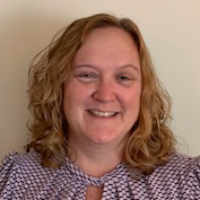
Renee DeVuyst is a Licensed Mental Health Counselor (LMHC) in New York with 18 years of clinical experience. She works with people facing stress, anxiety, addiction, grief, trauma, relationship and parenting concerns, and other life changes. Sessions are described as collaborative and practical.
Renee uses a person-centered style at the core of her work. She focuses on understanding each person's view and on being open and direct in sessions. That means she listens closely, validates what is said, and also points out inconsistencies that might help a person gain new insight.
She blends motivational interviewing and strength-focused methods to encourage change. Cognitive behavioral strategies are added when helpful to identify patterns of thinking and to develop different responses. The mix aims to balance support with practical planning.
Her background includes a master’s degree in Counselor Education from SUNY Brockport and New York state licensure obtained in 2006. Renee has worked with people dealing with substance use issues, domestic violence, sexual abuse, and behavioral concerns related to addiction.
Renee is comfortable using different communication methods and has experience working across multiple platforms. People who choose her can expect a therapist who engages, asks direct questions, and helps build clearer next steps. If grief or another loss is the concern, she includes that among the issues she addresses.
How her approaches are used in online sessions
Renee often draws on person-centered care and cognitive behavioral methods in her work. Person-centered work means the therapist listens closely to understand a person's perspective, offers direct engagement, and helps the person reflect on their feelings and choices. Cognitive behavioral techniques involve identifying unhelpful thinking patterns and practicing new ways of responding to stress, anxiety, or grief.She also uses motivational interviewing to help people clarify what they want to change and to strengthen their own reasons for making those changes. Together these approaches aim to combine listening, practical planning, and gradual steps toward different behavior or coping methods. Figuring out which mix fits best is part of the collaborative process; she will work with clients to choose methods that match their goals and preferences.
The biography notes she is comfortable with texts, video chat, phone calls, and video conferencing, but readers should confirm the current session options before booking. Online sessions can make it easier to fit therapy into a busy schedule, allow shorter check-ins by phone when needed, and let people connect without travel time. The therapist can discuss how to shape sessions so they work with everyday life and responsibilities.
Areas of expertise
Also works with
Additional focus areas
Therapeutic approaches
Experience
18+ years
Credentials
New York
Languages
English
Frequently asked questions
What concerns does she address?
She works with stress, anxiety, depression, addictions, grief, trauma, relationship and parenting concerns, and related issues listed in her profile.
What is her therapeutic style?
Her core approach is person-centered, combined with motivational interviewing and cognitive behavioral techniques to support insight and behavior change.
How much clinical experience does she have?
She has 18 years of experience working with a range of mental health and substance use issues.
What credentials and location are on file?
She is an LMHC licensed in New York and holds a master’s degree in Counselor Education from SUNY Brockport.
Are sessions offered in other languages or internationally?
Sessions are offered in English and she is not accepting international clients at this time.
Which session formats are used?
The biography states she is comfortable with texts, video chat, phone calls, and video conferencing; confirm current session options before booking.
How does payment and cost work?
Cost varies with location and sessions use a subscription model that can be canceled at any time.
How do I begin working with her?
Select the See online therapy options button, complete a short matching questionnaire, and schedule a first session.
Online talk therapy is not emergency care, and no counselor can promise how grief will feel or when it will ease. If you are thinking about suicide or feel unsafe, call or text 988, or call 911. Crisis information