- CBT strategies
- Mindfulness practice
- Trauma-focused care
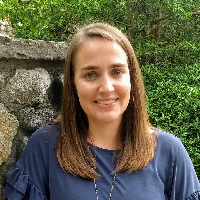
About Samantha
LCSW Samantha Dunn has nine years of experience working with people facing stress, anxiety, parenting pressures, ADHD, grief, and other life changes. She practices in North Carolina and focuses on helping clients who feel overwhelmed by daily demands and emotional strain.
Samantha uses straightforward conversation and practical strategies. She listens to what is happening now, then helps identify patterns that make things harder. Sessions often include skill building for anxiety, sleep, or impulsivity and steps to lessen the mental load of parenting and caregiving.
She draws on Client-Centered methods to center the client's perspective and on Cognitive Behavioral Therapy to rewrite unhelpful thinking and behavior cycles. Mindfulness techniques are used to bring attention back to the present when worry or rumination takes over. Motivational Interviewing helps people clarify what matters and commit to manageable changes.
Samantha also uses Trauma-Focused Therapy when past events are affecting daily life. That work is paced to the person's readiness and is done alongside practical coping tools for emotion regulation and sleep. She pays attention to guilt, shame, and attachment concerns that often come up around family roles.
People meet Samantha when they want clear steps and down-to-earth support rather than labels. She helps clients sort through competing demands, set boundaries, and try new habits that fit busy lives. To begin, prospective clients follow the site's matching and scheduling process to set a first appointment.
How Samantha’s approaches fit into online work
Client-Centered Therapy focuses on the client's perspective and clear listening. It helps people name what matters and decide the next steps. Cognitive Behavioral Therapy (CBT) looks at thoughts and behaviors and teaches practical exercises to reduce worry, improve sleep, or manage impulsivity. Mindfulness Therapy offers short attention practices to lower rumination and anchor attention in stressful moments.Finding the right mix of methods is part of the work. Samantha will collaborate with each person to choose approaches that fit their goals, preferences, and day-to-day demands. That means checking in about what helps, adjusting tools, and deciding how quickly to move into trauma-focused work when needed.
The practical benefits of meeting online can include fewer travel demands, easier fitting of sessions into a busy day, and options for shorter check-ins when schedules are tight. The biography does not list specific session formats, so confirm the available online options before booking. Sessions are framed to fit everyday life and to build skills that can be used between meetings.
Areas of expertise
Primary focus
Also works with
Additional focus areas
Therapeutic approaches
Experience
9+ years
Credentials
North Carolina
Languages
English
Frequently asked questions
What concerns does she address?
Samantha works with stress, anxiety, parenting strain, ADHD, grief, depression, sleep problems, and related issues such as guilt and attachment concerns.
What is her therapy style?
Her approach is direct and client-centered, combining practical skills with reflective conversation to address thoughts, behaviors, and daily routines.
How much experience does she have?
She has nine years of practice as a clinician supporting people through life changes and emotional difficulties.
What are her credentials and location?
She is an LCSW licensed in North Carolina and sees clients from that state.
Does she offer sessions in other languages or internationally?
Sessions are offered in English and she does not accept international clients at this time.
What session formats are available?
Please confirm current session options before booking, as the biography does not specify formats directly.
How does pricing work?
Cost varies with location and sessions use a subscription that can be canceled at any time.
How do I get started?
Select the See online therapy options button, complete a short matching questionnaire, and schedule a first session.
Online talk therapy is not emergency care, and no counselor can promise how grief will feel or when it will ease. If you are thinking about suicide or feel unsafe, call or text 988, or call 911. Crisis information