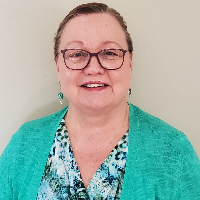
About Susan
Dr. Susan Murati is a Licensed Mental Health Counselor (LMHC) and a Licensed Clinical Mental Health Counselor (LCMHC) in New Hampshire with 19 years of experience. She works with people facing depression, anxiety, ADHD, relationship and career challenges, trauma and grief. She uses practical approaches to help people manage stress and cope with big life changes.
Murati describes her style as interactive and respectful. She avoids stigmatizing labels and focuses on how problems are affecting daily life. Sessions tend to be conversational, with attention to what matters most to the client right now.
Her work draws from cognitive behavioral ideas, narrative methods, Acceptance and Commitment Therapy (ACT), and supportive therapy. That mix is used to identify patterns that keep problems going and to try different ways of responding. She also uses motivational techniques when people want help making concrete changes.
People come to her for a range of concerns from mood symptoms and panic to relationship strain and workplace stress. She also addresses issues such as guilt, shame, isolation, family of origin problems, and multicultural stressors. Grief is listed among the concerns she assists with.
She encourages straightforward, practical steps alongside reflection. Sessions aim to clarify goals, practice new skills, and find small changes that fit into everyday life. Prospective clients from New Hampshire can expect a clinician focused on clear, down-to-earth conversations about their priorities.
How her approaches are used in online sessions
Acceptance and Commitment Therapy (ACT) helps people notice unhelpful thoughts and choose values-guided actions. It can be used for anxiety, grief, and coping with life changes. Cognitive Behavioral Therapy (CBT) focuses on recognizing thought and behavior patterns and practicing small, practical skills to reduce symptoms like panic or depression. Client-Centered Therapy emphasizes listening, respect, and working at the client's pace to clarify goals and priorities.Finding the right approach is part of the work. The therapist will talk with each client about goals and preferences and then try methods that fit those aims. That process is collaborative, with adjustments as the client learns what helps most.
The practical benefits of online sessions depend on the formats offered. The biography does not list specific formats, so confirm available session types before booking. Online work can make it easier to fit sessions into a busy life, allow shorter check-ins when needed, and reduce travel time. Therapists and licensed professionals often use these options to keep momentum between sessions and to practice skills in everyday settings.
Areas of expertise
Primary focus
Also works with
Additional focus areas
Therapeutic approaches
Experience
19+ years
Credentials
Massachusetts, New Hampshire
Languages
English
Frequently asked questions
What kinds of problems does she help with?
She works with depression, anxiety, ADHD, relationship and career issues, trauma, grief, and related concerns such as guilt, shame, and isolation.
What is her general therapeutic approach?
Her approach blends cognitive behavioral ideas, narrative methods, Acceptance and Commitment Therapy (ACT), and supportive techniques to address thoughts, behaviors, and personal stories.
How much experience does she have?
She has 19 years of counseling experience working with a wide range of concerns including mood, anxiety, trauma, and life transitions.
What are her credentials and where is she based?
She holds MA LMHC and NH LCMHC credentials and practices in New Hampshire.
Does she offer sessions in other languages or to international clients?
Sessions are offered in English and she is not accepting international clients.
What session formats does she use?
Confirm current session options before booking, as the biography does not specify which formats are offered.
How does cost work for sessions?
Cost varies with location and sessions use a subscription that can be canceled at any time.
How do I begin a first session?
Select the See online therapy options button, complete a short matching questionnaire, and schedule a first session.
Online talk therapy is not emergency care, and no counselor can promise how grief will feel or when it will ease. If you are thinking about suicide or feel unsafe, call or text 988, or call 911. Crisis information